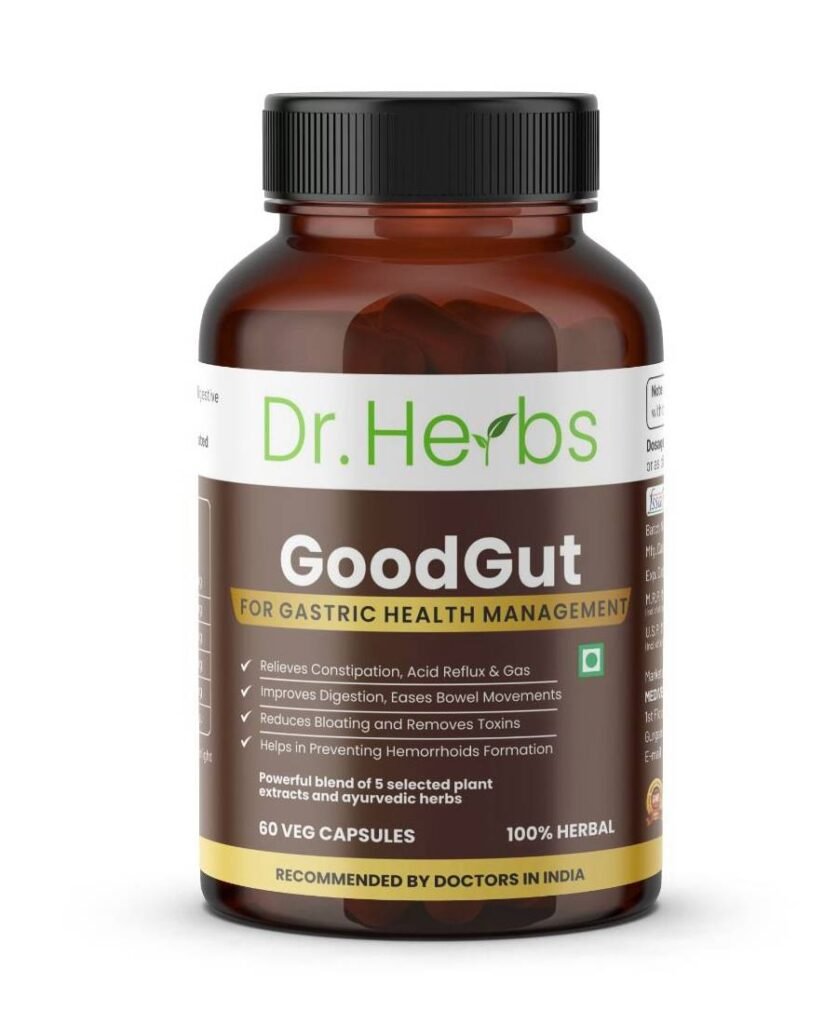
GoodGut for Stomach Health & Gastric Issues
Ksh 1690
Digestive troubles like acidity, bloating, and constipation can disrupt daily life and long-term wellness. GoodGut is a powerful herbal formulation that supports complete gut health and restores digestive balance.
Among its key ingredients, Avipattikar Churn helps relieve hyperacidity, constipation, and piles, while Trifala eliminates toxins and promotes smoother digestion. Trikatu works on indigestion, gastritis, infections, and ulcers, providing deep relief. Isabgol, with its prebiotic fiber, cleanses the digestive passage and ensures smoother food transit, while Kalajeera reduces bloating, indigestion, and stomach discomfort. Together, these herbs offer holistic gut care.
With GoodGut, countless people have found lasting comfort, better digestion, and renewed digestive health.
Understanding Gut Trouble: Common Problems and Their Causes
The gut, also known as the gastrointestinal (GI) tract, plays a vital role in digestion, nutrient absorption, and even immune function. When things go awry in the gut, it can lead to a variety of uncomfortable and bothersome problems. Let’s delve into some common gut health issues and explore the potential causes behind them:
Gut Problems:
- Irritable Bowel Syndrome (IBS): This chronic condition causes cramping, bloating, gas, and diarrhea or constipation. While the exact cause is unknown, factors like stress, diet, and gut bacteria imbalance are believed to play a role.
- Constipation: Difficulty passing stools is a common complaint. It can be caused by a lack of fiber in the diet, dehydration, certain medications, or even ignoring the urge to have a bowel movement.
- Diarrhea: Loose and frequent stools can be caused by a variety of factors, including viral or bacterial infections, food intolerance, or certain medications.
- Gastroesophageal Reflux Disease (GERD): This condition occurs when stomach acid backs up into the esophagus, causing heartburn and discomfort. Factors like a hiatal hernia, dietary choices (spicy or fatty foods), and even obesity can contribute to GERD.
- Ulcers: Painful sores in the stomach lining can be caused by infection with H. pylori bacteria or prolonged use of nonsteroidal anti-inflammatory drugs (NSAIDs).
Causes of Gut Problems:
- Diet: A diet low in fiber, high in processed foods, sugary drinks, and unhealthy fats can disrupt gut bacteria balance and lead to digestive issues.
- Stress: Chronic stress can wreak havoc on the digestive system, causing constipation, diarrhea, or stomach upset.
- Medications: Certain medications, like antibiotics and NSAIDs, can irritate the gut lining and cause digestive problems.
- Medical Conditions: Underlying medical conditions, such as celiac disease, Crohn’s disease, and ulcerative colitis, can cause significant gut dysfunction.
- Gut Microbiome Imbalance: The trillions of bacteria residing in the gut play a crucial role in digestion and overall health. An imbalance in this gut microbiome can contribute to various digestive issues.
Remember: This information is for educational purposes only and shouldn’t replace seeking professional medical advice. If you’re experiencing persistent gut problems, consult a doctor to determine the cause and get proper treatment.
NUTRITION AND LIFESTYLE FOR GOOD GUT
Deep Dive into Gut Health: Nourishing Your Microbiome
This comprehensive plan delves deeper into gut health, providing a wider range of food options, additional lifestyle factors, and considerations for individual needs.
- Foods to Eat
- Prebiotic Powerhouse:
- Fruits & Vegetables:
- Berries (blueberries, raspberries, strawberries) are rich in antioxidants and fiber.
- Stone fruits (plums, peaches, nectarines) provide fiber and prebiotic pectin.
- Artichokes, asparagus, and chicory root are high in inulin, a prebiotic fiber.
- Leafy greens (spinach, kale) offer vitamins, minerals, and fiber.
- Whole Grains: Opt for brown rice, quinoa, oats, barley, and whole-wheat bread/pasta for sustained energy and fiber.
- Legumes & Beans: Lentils, chickpeas, black beans, and kidney beans are rich in fiber and protein, promoting gut bacteria growth.
- Nuts & Seeds: Almonds, walnuts, flaxseeds, and chia seeds offer healthy fats, fiber, and prebiotics.
- Fruits & Vegetables:
- Probiotic Bounty:
- Yogurt: Choose plain Greek yogurt with live and active cultures (at least 1 billion CFUs).
- Kefir: This fermented milk drink is packed with diverse probiotic strains.
- Kimchi & Sauerkraut: Opt for varieties made with natural fermentation for a potent probiotic punch. (Beware of high sodium content in some brands.)
- Kombucha: Choose low-sugar versions for a probiotic boost with minimal sugar impact.
- Miso & Tempeh: These fermented soy products provide protein and beneficial bacteria.
- Protein Power:
- Fatty Fish: Salmon, sardines, mackerel, and tuna are rich in omega-3 fatty acids for gut health and inflammation reduction.
- Chicken & Turkey: Opt for lean cuts like breast or thighs to get protein without excessive saturated fat.
- Eggs: A complete protein source with essential nutrients for gut health.
- Plant-Based Options: Tofu, tempeh, lentils, and beans provide protein for vegetarians and vegans.
- Healthy Fats:
- Olive Oil: Use extra virgin olive oil for cooking and salad dressings.
- Avocados: A source of healthy monounsaturated fats and fiber.
- Nuts & Seeds: Almonds, walnuts, flaxseeds, and chia seeds offer healthy fats and support gut barrier function.
- Foods to Avoid:
- Added Sugars & Artificial Sweeteners: Limit sugary drinks, processed foods, candies, and baked goods. They can disrupt gut bacteria balance and promote inflammation.
- Refined Grains: White bread, pasta, pastries, and white rice offer minimal fiber and nutrients. Choose whole grains instead.
- Unhealthy Fats: Processed foods often contain unhealthy saturated and trans fats. Avoid fried foods, processed meats, and commercially baked goods.
- Alcohol: Excessive alcohol consumption can disrupt gut bacteria and damage the gut lining. Moderate your intake or avoid it altogether.
- Artificial Colors & Flavors: These additives may disrupt gut bacteria and contribute to inflammation. Opt for whole, unprocessed foods whenever possible.
- Lifestyle for a Healthy Gut:
- Hydration: Aim for 7-8 glasses of water daily to support digestion and nutrient absorption. Opt for herbal teas or water infused with fruits and vegetables for added flavor.
- Manage Stress: Chronic stress can negatively affect gut health. Practice relaxation techniques like yoga, meditation, deep breathing, or spending time in nature.
- Sleep: Prioritize 7-8 hours of quality sleep for optimal gut function and overall health.
- Exercise: Engage in regular physical activity (30 minutes most days) to promote gut health and overall well-being. Choose activities you enjoy, like brisk walking, swimming, or cycling.
- Consider a Prebiotic Supplement: Consult your doctor if you have specific gut concerns. Prebiotic supplements can be a helpful addition alongside a healthy diet.
- Mindful Eating: Eat slowly, savor your food, and chew thoroughly to aid digestion and reduce stress on the gut.
- Fiber Introduction: If you’re not used to a high-fiber diet, increase intake gradually to avoid bloating and gas.
- Individualized Considerations:
- Food Sensitivities: Pay attention to your body’s response to certain foods. If you experience bloating, gas, or other digestive issues after consuming a particular food, consider eliminating it from your diet or consulting a healthcare professional for guidance.
- Dietary Restrictions: If you have specific dietary restrictions like lactose intolerance or gluten sensitivity, modify the plan accordingly. There are plenty of gut-healthy options available for all dietary needs.